
Why is my LED light not working?
LED lights can stop working due to a failed driver (power supply), loose wiring connections, incorrect dimmer compatibility or a failed LED module.
In Australia you must engage a licensed electrician to inspect any mains‑voltage connections.
Why Your LED Light Stopped Working (and How to Fix It)
LEDs are marketed as reliable and efficient, and they are. But when one stops working, it’s usually not because the LED itself has failed outright. More often it’s one of the supporting parts or installation issues.
Below we’ll walk through the common problems and solutions and show you when it’s time to call in your local electrician in Melbourne’s outer east.
1. Check the Power Supply and Driver
LEDs often use a driver (or transformer) which converts mains voltage (230–240 V) into the correct low‑voltage for the LED modules. If that driver fails, the LED may not light at all or may flicker.
What to check:
- Ensure the switch or automatic circuit breaker is turned on.
- If the LED itself is exposed, look for visible signs of driver burn‑out or damage.
- Consider if the lighting was recently modified—for instance by adding dimmers or extended strip run‑lengths that exceeded the driver’s capacity.
- In Australia, components must comply with lighting product standards such as AS/NZS 62560 (for mains voltage LED lamps) and must be installed by a licensed electrician if wired directly to the mains.
When to call a pro:
If you find the driver is faulty or wiring has been altered, a licensed electrician must resume the job. Wiring LED modules directly into mains without the correct driver or without proper protection is non‑compliant.
2. Loose or Poor Connections
One of the most common DIY reasons LED lights stop working is faulty connections. This might include loose terminal blocks, broken wire ends, or degraded connections in walls or junction boxes.
What to check:
- Turn off the power at the switchboard before touching anything.
- Inspect terminal blocks for tightness and visible signs of overheating (brown marks, melted plastic).
- Check any connectors in strip lights, downlights or under‑cabinet systems.
- Make sure that ceiling roses or junction boxes haven’t been modified without maintaining proper connections.
Why it matters:
Loose connections increase resistance, generate heat and can cause premature LED failure or even fire risk. Under the wiring rules (AS/NZS 3000:2018) all terminations must be secure.
3. Dimmer or Control Compatibility
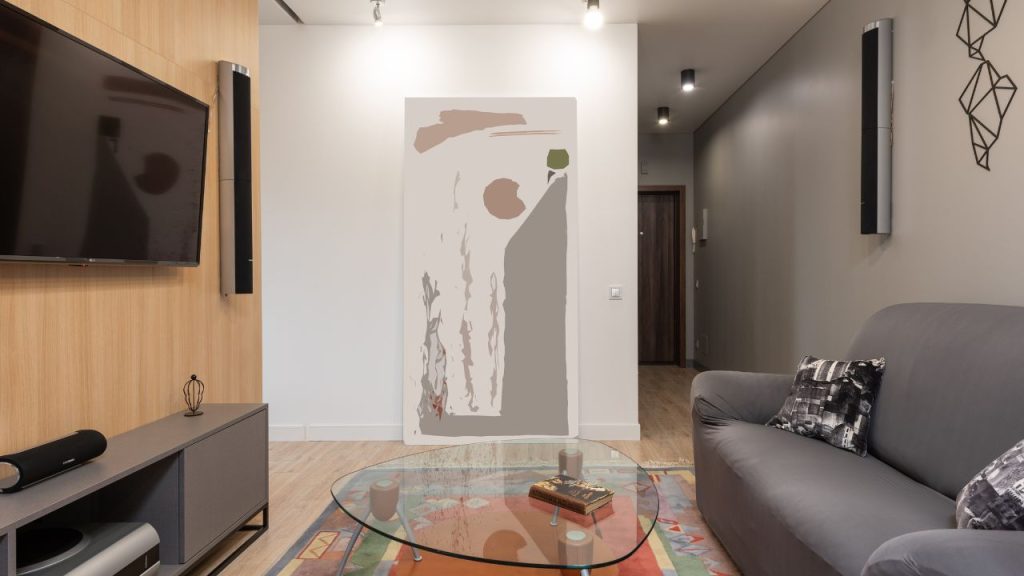
If your LED lights flicker, buzz or stay off when on a dimmer circuit, there’s a strong chance the dimmer is incompatible with LED loads. Many older dimmers were made for incandescent or halogen lamps and cannot handle the low‑wattage draw of LEDs.
What to do:
- Replace the dimmer with one specifically rated for LED lighting.
- If you use smart lighting systems, confirm the driver and control device are compatible.
- For strip lighting: ensure the controller/remote has correct voltage and current capacity.
Tip: If the light goes off entirely when the dimmer is at full brightness, the dimmer is likely not suited for that LED load.
4. Over‑length LED Strip Runs or Heat Issues
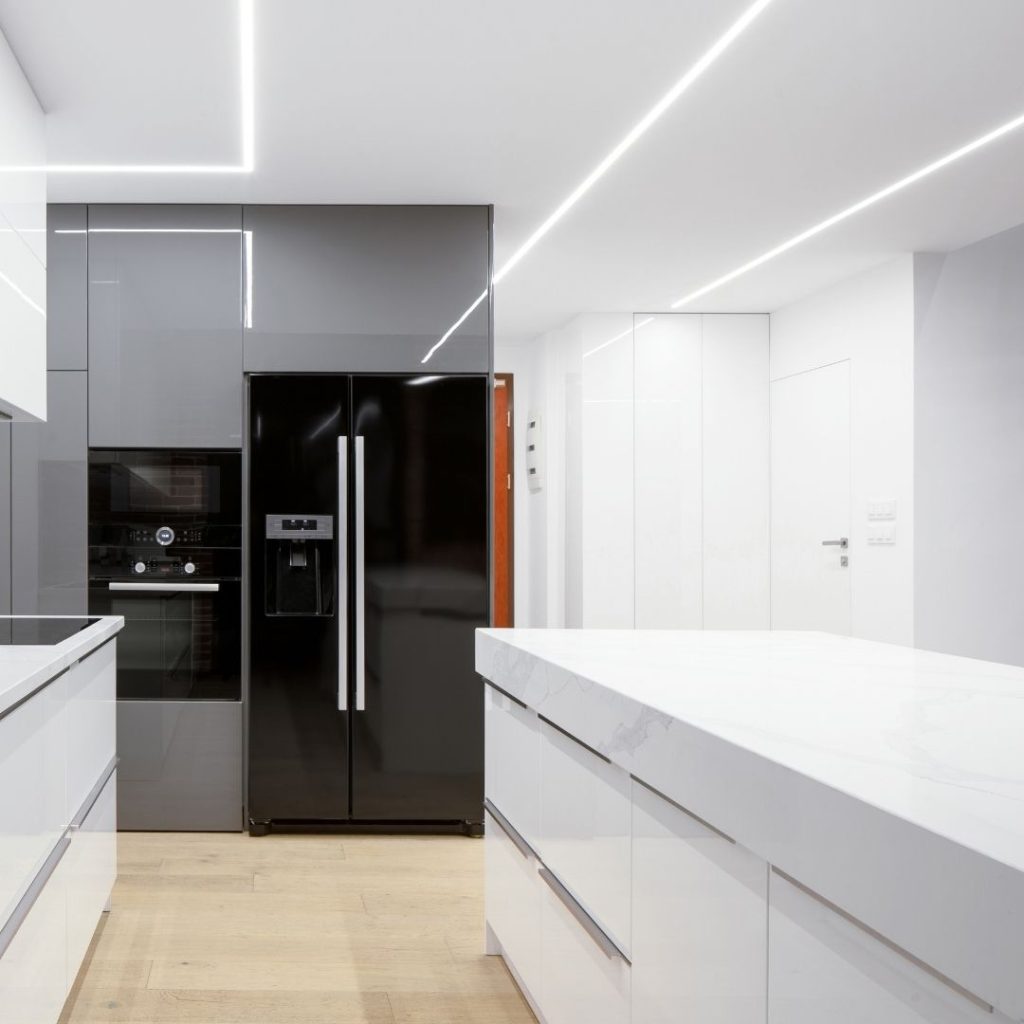
LED strip lights are great, but they come with caveats. Over‑length runs can cause voltage drop, modules at the end may fail, or adhesive backing may fail in hot/wet areas.
What to check:
- Make sure strip runs follow the manufacturer’s maximum run‑length.
- In outdoor or moisture‑exposed areas, use appropriately rated IP‑rated strips and drivers.
- Ensure heat is not trapped behind the strips – recessed or enclosed channels need adequate cooling.
- Clean and inspect adhesive mounts; if strips have fallen, connections may have pulled apart.
Australian context: Lighting product regulations require that fixtures and strips be correctly certified and installed by qualified persons when integrated into mains circuits.
5. Failed LED Modules or Chips
On rare occasions, the LED modules themselves may fail, especially if they’ve been subjected to overheating, over‑current, or poor installation.
If a section of modules is dark while others still work, and you’ve ruled out power supply and connections, the modules may need replacing.
What to know:
- If the system is under warranty, replacement modules or strips should be installed as per the original specification.
- When replacing, ensure the new modules match the original requirements for voltage, colour temperature and current.
- If replacing involves wiring changes or switching drivers, a licensed electrician must carry out the work.
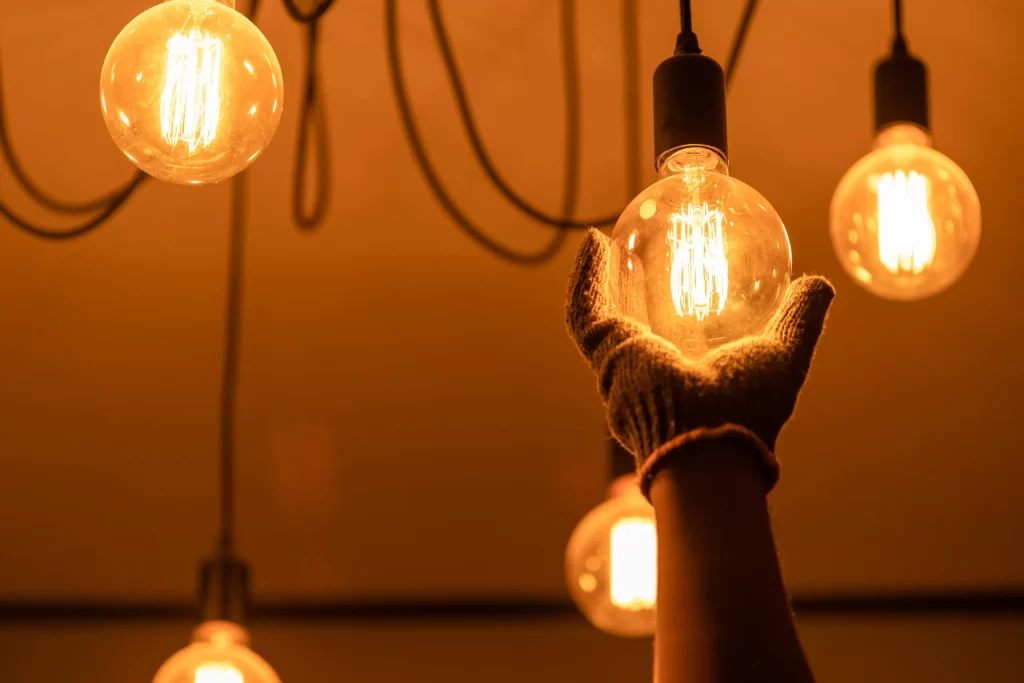
6. Use Smarter Products and Prevent Future Problems
Preventive care makes all the difference. Here are practices that reduce failure risk and extend lifespan:
- Always buy LED strips and fixtures that carry the RCM (Regulatory Compliance Mark) and conform to Australian standards.
See more from the Australian Lighting Council - Ensure your electrician verifies drivers and dimmers are rated for LED loads.
- Maintain adequate cooling / ventilation behind down‑lights or strips.
- Avoid series‑connecting different batches of LED strips (voltage mismatch causes failure).
- Schedule an electrical inspection every 3‑5 years—especially for integrated lighting circuits.
When Should You Call a Licensed Electrician?
If you experience any of the following, stop using the circuit and call an electrician
- Warm or hot light fittings or driver units
- Discoloured or charred wiring insulation or terminal blocks
- Lights that go completely dark following a DIY fix
- Multiple lights on a circuit failing in quick succession
In Victoria and across Australia, mains‑voltage lighting installation, wiring changes, or fault‑finding must be performed by a licensed electrician under the rules of AS/NZS 3000:2018 and state licensing requirements. DIY work may void product warranties, insurance coverage and could breach regulations.
Final Word
LED lighting brings efficiency, longevity and design flexibility,but only when it’s installed and maintained correctly.
If your LED lights aren’t working or flickering, the fault usually lies with the driver, wiring connections, dimmer compatibility or load issues rather than the LED itself.
For homeowners in Melbourne’s outer east, the best course of action is to engage a licensed electrician who understands local regulations and lighting standards. Fixing the light is easy. Ensuring it stays reliable and safe—that’s where true value lies.


Get Your Electrical Quote
Enter your job details below for a free quote or consultation!


